As an investment analyst, Matthew focuses on researching companies across the world and assists in managing the Aggregate Value Fund. Day to day, that means he helps to keep the portfolio diversified to manage risk while adhering to the long term goals of the fund.

If you hold Apple, Nvidia, Tesla, or an S&P 500 ETF, you are almost certainly exposed to a tax very few non-US investors have planned for. It doesn’t appear on any brokerage statement. There’s no annual bill, no withholding notice, no warning. It only triggers the moment you pass away.
Many investors diversify by adding more funds over time – a global equity fund here, a “high conviction” fund there, maybe an income fund on top. On paper, the portfolio looks diversified. But under the hood, those funds often own many of the same large-cap names, creating hidden concentration rather than true diversification.
For a region once predicted to become the “Balkans of Asia”, Southeast Asia’s story may be one of the most overlooked geopolitical successes of our time.
One point raised in this conversation with Prof Kishore Mahbubani stood out to us: lasting security may ultimately come not just from military capability, but from creating the conditions for durable peace.
At Aggregate Value Fund, resilience comes from building portfolios that can adapt when reality surprises.
Welcome to View of the World – a new series by Aggregate Asset Management exploring the geopolitical, economic and historical forces shaping markets over the long term.
Learn how Aggregate Asset Management grew from a small Singapore fund manager with less than S$5 million to over S$615 million in assets under management through disciplined value investing, investor alignment, and innovation.
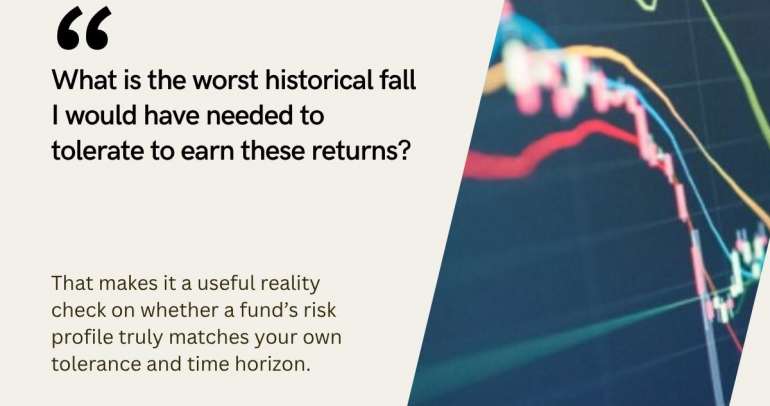
Maximum drawdown is a powerful indicator because it combines the size of the loss with how hard that loss would be to live through. Two funds may have similar long‑term returns, but if one has a much deeper maximum drawdown, most investors will find it harder to stay invested in that strategy when markets turn rough.
Learn how the 4% withdrawal rule works and why portfolio diversification, disciplined investing, and AI driven analysis matter for long term retirement income sustainability.